Between antiquity and the Revolution
Lakedaimonia
The Roman city survived earthquakes in 365 and 375, the Goths under Alaric in 395, the Vandals in 468 and the plague of 541–543; finds continue until about the mid-6th century (H. Kalligas, Monemvasia: A Byzantine City State). The later Chronicle of Monemvasia says the inhabitants fled a Slav raid in 587–588, but historians treat this text with caution.
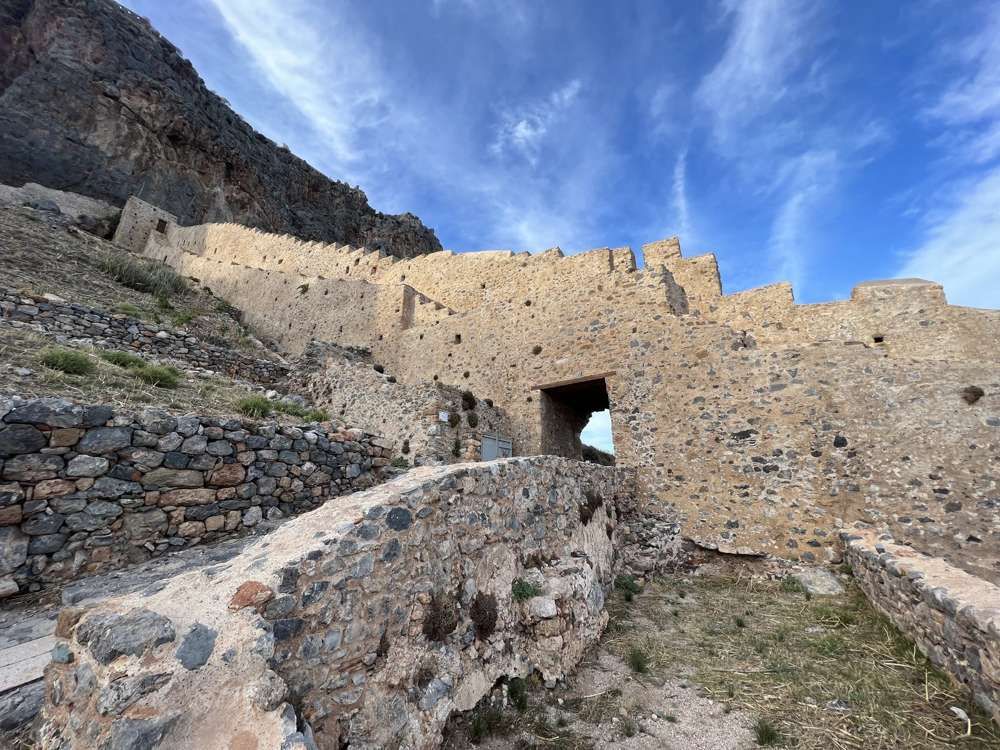
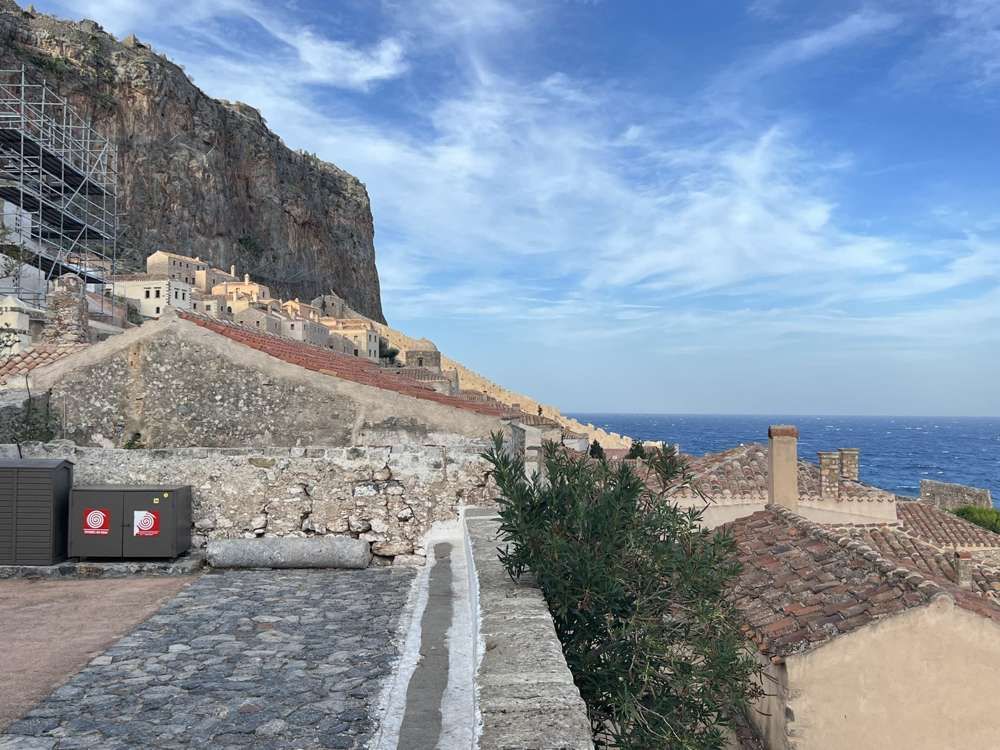
Monemvasia
Founded on its rock in the late 6th century and populated by people from Sparta (Kalligas). It became a major Byzantine port; it passed to Venice, was handed to the Ottomans in 1540, was Venetian again from 1690 for about 25 years, and was the first town freed by the Greeks in 1821 (Kalligas).
Mystras and the Despotate of the Morea
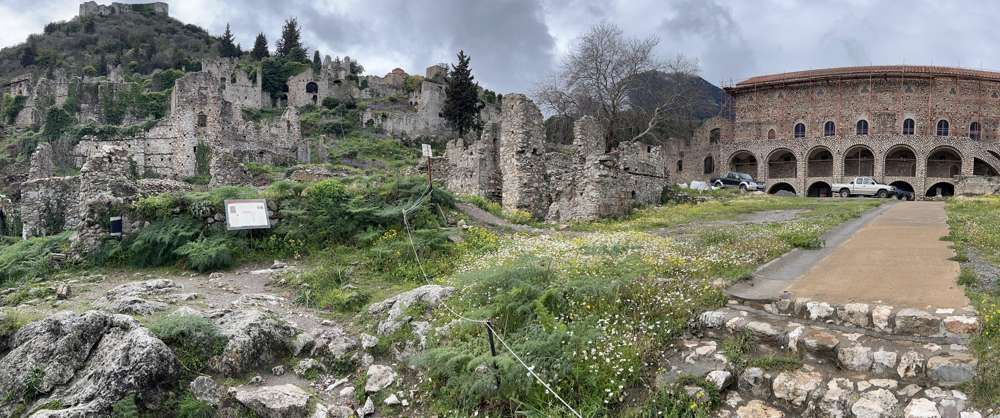
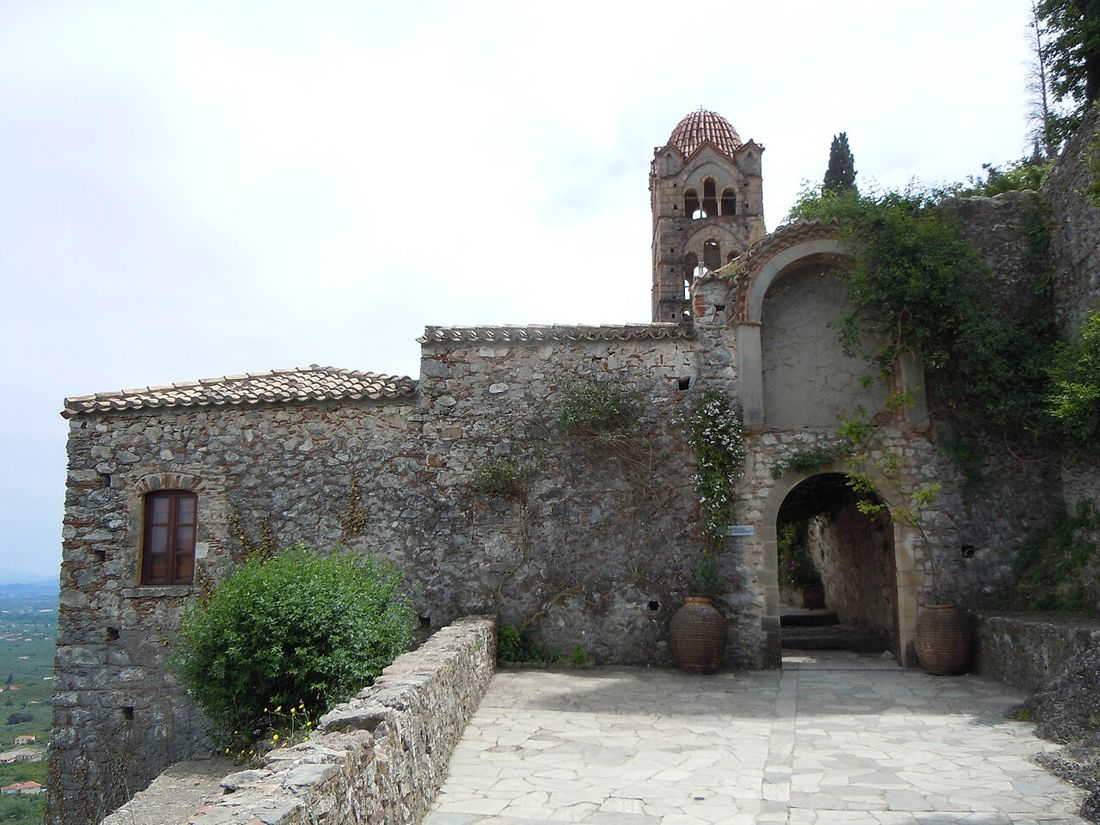
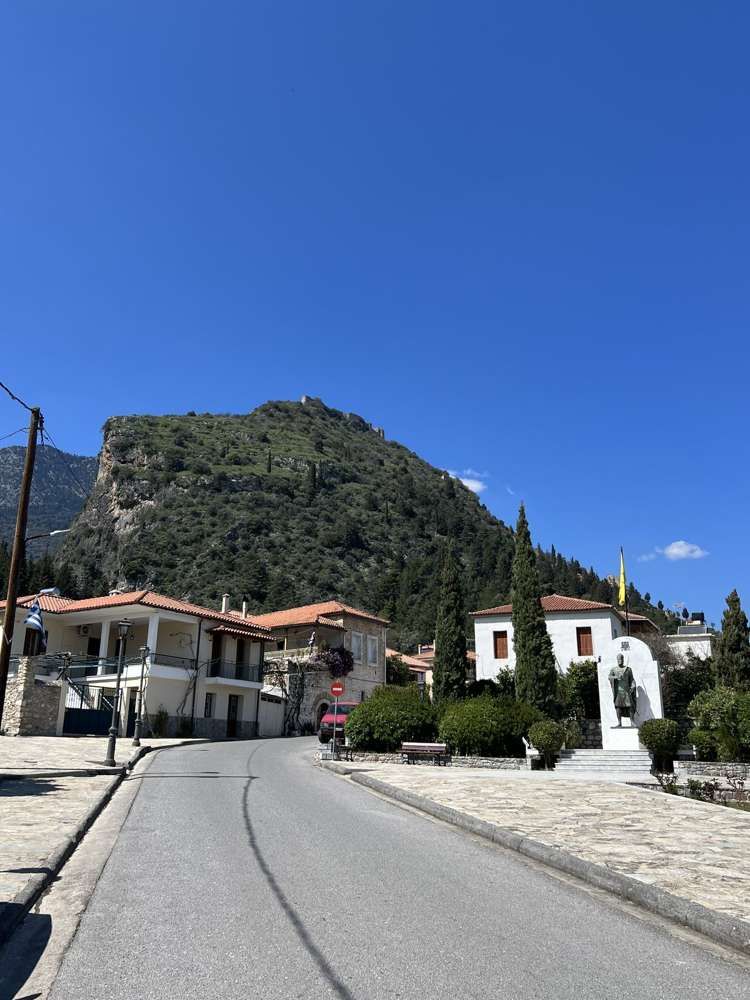
William II of Villehardouin, Frankish prince of Achaia, built the fortress in 1249 on a 620 m hill above Sparta. The Franks surrendered it to the Byzantines in 1262, and from 1348 it was the seat of the Despotate of the Morea (UNESCO). Constantine XI Palaiologos, later the last Byzantine emperor, was despot here in the 1440s; his brother Demetrios surrendered Mystras to the Ottomans in 1460 (Ministry of Culture, Castle Route).

Ottoman and Venetian Laconia
Under the Ottomans Mystras was seat of the Sanjak of the Peloponnese until 1540 and a leading centre of silk production. Venice held it from 1687 to 1715. Albanian troops ravaged it after the Orlov revolt of 1770, and Ibrahim Pasha’s army burned it in 1825 (Ministry of Culture, Castle Route; UNESCO).
The Mani
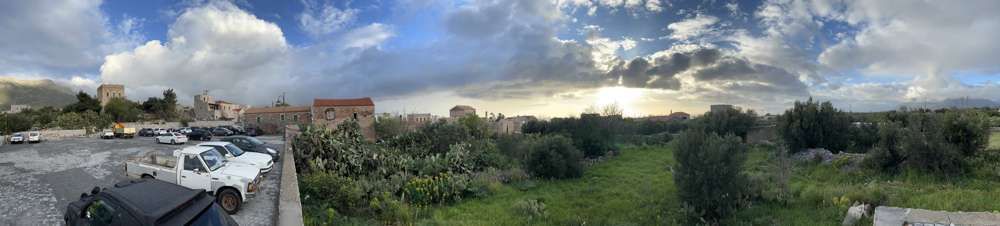
The mountainous Mani kept a high degree of autonomy under Ottoman rule, under its own leaders (beys). Its tower houses are best seen from Areopoli southwards.
Sources: UNESCO, Archaeological Site of Mystras; Hellenic Ministry of Culture, Castle Route: Mistras; H. A. Kalligas, Monemvasia: A Byzantine City State (Routledge).